Call: 07971670813
 Send Inquiry
 Send Inquiry
Pyrophyllite r
Price 1500.0 INR/ Ton
MOQ : 25 Tons
Pyrophyllite r Specification
- Usage
- Filler, extender, and thermal insulating agent
- Product Type
- Minerals
- Molecular Formula
- Al2Si4O10(OH)2
- Physical Form
- Powder
- Storage
- Store in dry, cool place away from moisture
- Taste
- Tasteless
- Density
- 2.65 Gram per cubic centimeter(g/cm3)
- Ph Level
- Neutral (6.5-7.5)
- Melting Point
- 1450C
- CAS No
- 12269-78-2
- Grade
- Industrial
- Purity
- High
- Shape
- Micronized fine powder
- Solubility
- Insoluble in water
- Application
- Ceramics, refractories, paints, rubber, insecticides, adhesives
- Appearance
- Off white to pale grey powder
- Smell
- Odorless
- EINECS No
- 235-341-9
- Structural Formula
- Layered silicate
- HS Code
- 25262000
- Poisonous
- NO
- Properties
- Good thermal stability, high melting point, low electrical conductivity, non-toxic, and chemical inertness.
- Refractive Rate
- 1.565 1.590
- Ingredients
- Pyrophyllite (Al2Si4O10(OH)2)
- Particle Size
- 200 325 mesh
- pH in Water Suspension
- 7 0.5
- Oil Absorption
- 32 38 g/100g
- Specific Gravity
- 2.7
- Bulk Density
- 0.75 0.90 g/cm
- Loss on Ignition
- 8 10%
- Thermal Conductivity
- Low
- Packaging
- 25 kg / 50 kg HDPE bags or as per customer requirement
- Mohs Hardness
- 1 2
Pyrophyllite r Trade Information
- Minimum Order Quantity
- 25 Tons
- FOB Port
- Mundra Gujraat
- Payment Terms
- Paypal, Cash Against Delivery (CAD), Cash on Delivery (COD), Cash Advance (CA), Cash in Advance (CID), Cheque, Days after Acceptance (DA), Delivery Point (DP), Letter of Credit at Sight (Sight L/C), Telegraphic Transfer (T/T), Western Union
- Supply Ability
- 5000 Tons Per Month
- Delivery Time
- 10 Days
- Sample Available
- No
- Sample Policy
- If order is confirmed we will reimburse the sample cost
- Packaging Details
- Loose
- Main Export Market(s)
- Asia, Australia, Central America, North America, South America, Eastern Europe
- Main Domestic Market
- All India
About Pyrophyllite r
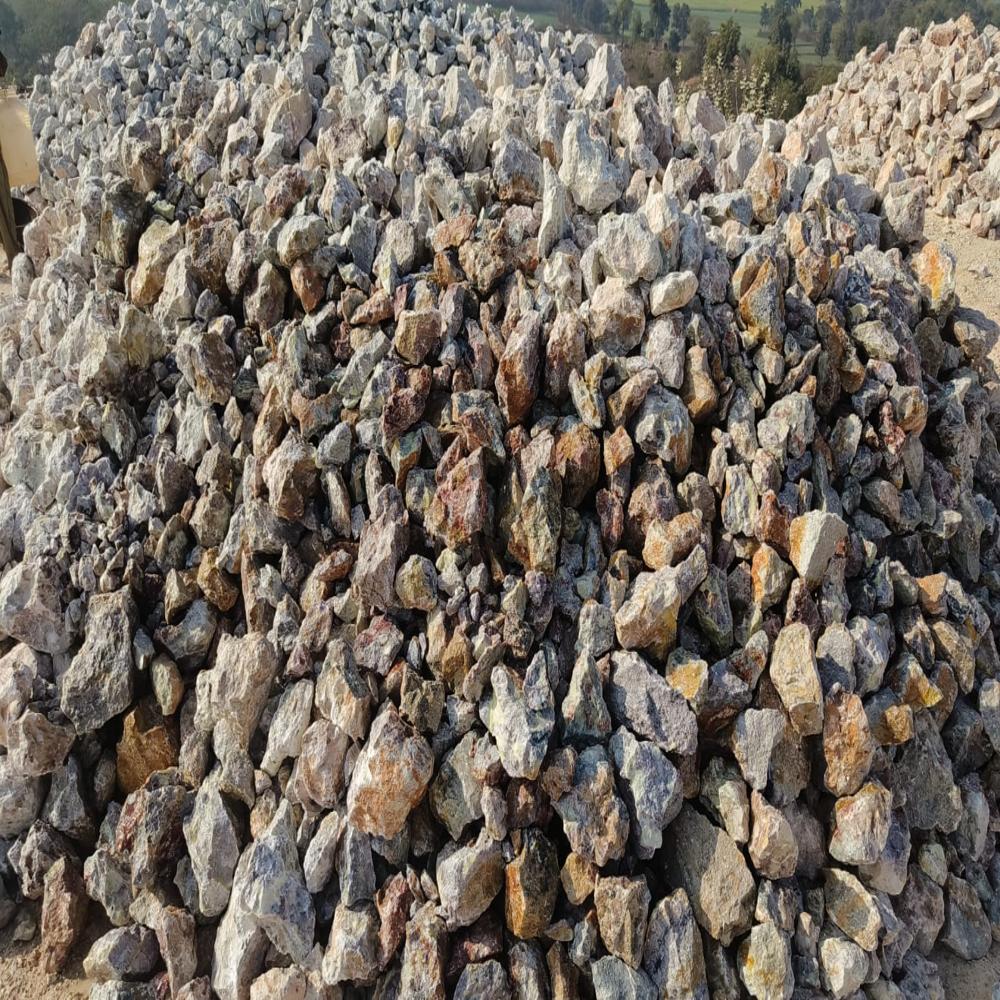
In order to cater diverse requirement of clients, we have been involved in offering Pyrophyllite. It is widely used for ceramics, in paints, insecticides and in the production of rubber. Provided chemical is also used as a minor ornamental stone for carvings and sculptures. It is a phyllosilicate mineral which is composed of aluminium silicate hydroxide, while it is often added to clay to reduce thermal expansion when firing. Pyrophyllite can be availed by our clients at reasonable market prices.
Features:
- Good thermal stability
- Long shelf life
- Accurate composition
Outstanding Thermal and Chemical Stability
Pyrophyllite is favored in industrial applications for its exceptional thermal and chemical stability. It withstands high temperatures, with a melting point of 1450C, and remains chemically inert when exposed to a wide range of substances. Thanks to its low thermal and electrical conductivity, Pyrophyllite is ideal for use in refractories, ceramics, and applications requiring insulation against heat and electricity.
Fine Particle Size for Versatile Applications
With a particle size distribution of 200325 mesh, Pyrophyllite offers a fine, uniform consistency suitable for easy blending. This enhances its performance as a filler and extender in paints, adhesives, and rubber compounds, ensuring smooth, consistent results and improved final product qualities. Additionally, its low bulk density and high oil absorption make it particularly valuable in specialized formulations.
Safe and Non-Toxic Industrial Material
Pyrophyllite is a non-toxic, odorless, and tasteless mineral, making it safe for handling in various manufacturing processes. Its chemical inertness ensures it does not react adversely with other components in industrial blends. The product is insoluble in water and maintains its properties when stored in a cool, dry location, guaranteeing a long shelf life under recommended conditions.
FAQs of Pyrophyllite r:
Q: How should Pyrophyllite powder be stored to maintain its quality?
A: For optimal stability and shelf life, Pyrophyllite powder should be stored in a cool, dry place away from moisture. This prevents clumping and maintains its structural and chemical properties over time.Q: What are the primary uses of Pyrophyllite in industry?
A: Pyrophyllite serves as a filler, extender, and thermal insulating agent in various industries, including ceramics, refractories, paints, rubber, insecticides, and adhesives, due to its fine particle size, thermal stability, and chemical inertness.Q: When is Pyrophyllite preferred over other fillers or extenders?
A: Pyrophyllite is chosen over other fillers or extenders when applications require enhanced thermal stability, low electrical conductivity, and chemical inertness. Its ability to function effectively in high-temperature environments and maintain structural integrity makes it suitable for ceramics and refractories.Q: Where is Pyrophyllite typically manufactured and supplied from?
A: This industrial grade Pyrophyllite is manufactured and supplied predominantly in India, presented in HDPE packaging options, and can be customized as per customer requirements.Q: What is the process for using Pyrophyllite in ceramic production?
A: During ceramic production, micronized Pyrophyllite is blended with other raw materials to act as a thermal-resistant filler, improving workability and providing the desired texture, insulation, and durability to finished ceramics.Q: How does Pyrophyllite benefit applications requiring thermal insulation?
A: Pyrophyllites low thermal conductivity and high melting point enable it to substantially enhance the insulating properties of composites, making it ideal for use in refractory linings, insulation boards, and other materials exposed to high temperatures.Q: What makes Pyrophyllite a safe material for industrial use?
A: With its non-toxic, tasteless, and odorless nature, combined with chemical inertness and being insoluble in water, Pyrophyllite is safe for use in a range of industrial environments and formulations.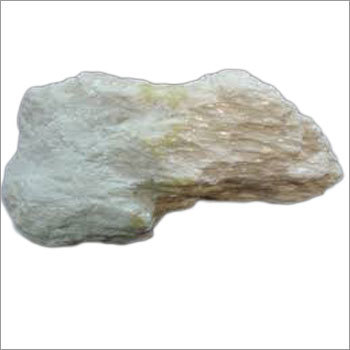


Tell us about your requirement

Price:
Quantity
Select Unit
- 50
- 100
- 200
- 250
- 500
- 1000+
Additional detail
Mobile number
Email

More Products in Pyrophyllite Category
Miracle Lime
Price 16000.0 INR / Ton
Minimum Order Quantity : 300 Tons
Solubility : Slightly soluble in water
Shape : other, Fine Particles
Purity : 99%
Ingredients : Lime (Calcium Hydroxide)

Contact Details
VAGRECHA PLAST CHEM
GST : 08AFTPV2413C1ZC
- B No - 25, Glass Factory Arvind Nagar, Girwa,Udaipur - 313001, Rajasthan, India
- Phone :07971670813
 Send Inquiry
Developed and Managed by Infocom Network Private Limited.
