Call: 07971670813
 Send Inquiry
 Send Inquiry
Sodium Sulphate
Sodium Sulphate Specification
- Molecular Weight
- 142.04 g/mol
- Solubility
- Freely soluble in water
- HS Code
- 28331100
- Storage
- Store in cool, dry place
- Structural Formula
- Na2SO4
- Heavy Metal (%)
- 0.001%
- Boiling point
- Decomposes
- Loss on Drying
- 0.20%
- Color
- White
- Taste
- Saline
- EINECS No
- 231-820-9
- Poisonous
- Non-poisonous
- Ph Level
- 6.0 - 8.5
- Shelf Life
- 2 years
- Melting Point
- 888C
- Molecular Formula
- Na2SO4
- Smell
- Odorless
- Particle Size
- < 325 Mesh
- Medicine Name
- Sodium Sulphate
- Chemical Name
- Sodium Sulphate
- CAS No
- 7757-82-6
- Type
- Inorganic Salt
- Grade
- Industrial Grade
- Usage
- Textile, Detergent, Paper & Pulp, Glass, Dyeing, Laboratory Reagent
- Purity(%)
- 99%
- Appearance
- White crystalline powder
- Physical Form
- Powder, Granules
- Insoluble Matter (%)
- 0.05%
- Packaging
- 25 kg/ 50 kg HDPE bags with inner liner or customized
- Iron Content (Fe)
- 0.002%
- Chloride Content (%)
- 0.05%
- Conductivity in 5% solution (S/cm)
- 2000
- Crystal form
- Anhydrous or decahydrate
About Sodium Sulphate
Sodium Sulphate is most commonly utilized as filler in laundry detergents, for wood pulp manufacturing, fining agent in glass industry, for leveling in textiles, and in dyeing. It is known to have chemical formula Na2SO4 with molar mass of 142.04 g/mol in anhydrous form. This is an inorganic compound with white colored crystalline solid appearance and odorless nature. It is a hygroscopic powder with high boiling point of 1,429 degrees Celsius. Sodium Sulphate can also be used for removing small amounts of water molecules from organic solutions by acting as inert drying agent. It is soluble in water, glycerol, and hydrogen iodide.
Exceptional Purity for Industrial Applications
With stringent thresholds for impurities such as chloride and iron, our Sodium Sulphate is an ideal choice for applications demanding high purity. Its excellent solubility, low insoluble matter, and stable physical properties make it valuable in sensitive industrial processes like textile dyeing, glass manufacturing, and detergent formulation.
Versatile Physical Forms & Packaging Options
Available as both anhydrous and decahydrate crystals, and in powder or granule form, this sodium sulphate fits diverse industry needs. Packaging is flexiblestandard 25 kg or 50 kg HDPE bags with inner liners protect content quality, while custom solutions cater to specific handling or storage requirements.
FAQs of Sodium Sulphate:
Q: How is Sodium Sulphate used in industrial processes?
A: Sodium Sulphate serves multiple roles, including as a filler in detergents, a dyeing agent in textiles, and a processing aid in paper, pulp, and glass industries. Its chemical stability and high solubility make it suitable for diverse industrial applications.Q: What are the benefits of low chloride and iron content in Sodium Sulphate?
A: Reduced chloride (0.05%) and iron (0.002%) levels minimize contaminants, ensuring consistent product quality and preventing interference with sensitive reactions, especially important in laboratory and glass manufacturing uses.Q: When should Sodium Sulphate be stored and handled with care?
A: To maintain its quality and extend shelf life, Sodium Sulphate should be stored in a cool, dry environment, avoiding moisture contact. The recommended shelf life is two years under these storage conditions.Q: Where does this Sodium Sulphate originate from and how is it packaged?
A: Manufactured and supplied in India, the Sodium Sulphate is securely packed in 25 or 50 kg HDPE bags with inner liners, or as per customer specifications, to guarantee safe transport and long-term storage.Q: What is the recommended process for dissolving Sodium Sulphate in water?
A: Sodium Sulphate is freely soluble in water. Simply add the required amount to water at room temperature and stir until completely dissolved for use in laboratory or industrial processes.Q: How does Sodium Sulphate benefit the detergent industry?
A: It acts as an effective filler and helps improve detergent flow characteristics without altering the products cleaning effectiveness, due to its chemical inertness and non-poisonous nature.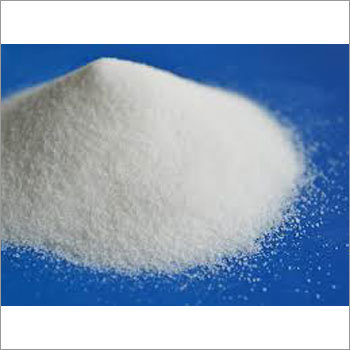
Tell us about your requirement

Price:
Quantity
Select Unit
- 50
- 100
- 200
- 250
- 500
- 1000+
Additional detail
Mobile number
Email


Contact Details
VAGRECHA PLAST CHEM
GST : 08AFTPV2413C1ZC
- B No - 25, Glass Factory Arvind Nagar, Girwa,Udaipur - 313001, Rajasthan, India
- Phone :07971670813
 Send Inquiry
Developed and Managed by Infocom Network Private Limited.
